
 By
By 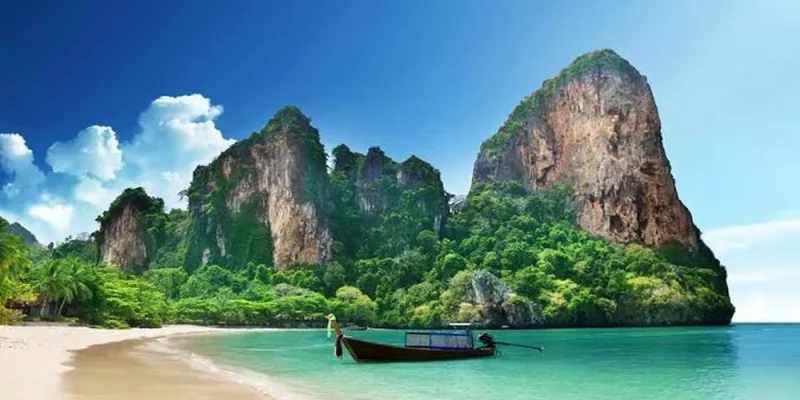
Nature in Andaman means living coral reefs, dense tropical rainforest, mangrove creeks and beaches where sea turtles still nest. Tourists can help preserve it by using reef-safe sunscreen, carrying no plastic, keeping a safe distance from wildlife and choosing operators who follow the islands’ conservation rules.
What makes the nature in Andaman so special?
The Andaman archipelago sits far out in the Bay of Bengal, closer to Myanmar than to mainland India. That isolation shaped a wildlife found nowhere else, from the Andaman wood pigeon to the Andaman day gecko.
The reefs do most of the work here. Fringing coral runs along much of the coast and shelters hundreds of coral types and more than a thousand kinds of reef fish. Inland, tropical rainforest covers the hills, and mangrove creeks lace the shallow coasts. Those mangroves act as fish nurseries and a natural sea wall when storms hit.
Four kinds of sea turtle still haul ashore to nest, including the giant leatherback. The dugong, a shy sea mammal that grazes on seagrass, is the state animal, though you will be lucky to see one.
Where can you see nature in Andaman?
The best of it sits inside protected areas, so a little planning pays off.
| Place | What you see | Good to know |
|---|---|---|
| Mahatma Gandhi Marine National Park, Wandoor (South Andaman) | Coral gardens and reef fish, seen from glass-bottom boats to Jolly Buoy and Red Skin islands | Jolly Buoy is plastic-free and open roughly November to May |
| Rani Jhansi Marine National Park, Ritchie’s Archipelago | Reefs near Neil and Havelock | Access is restricted, so go with a licensed dive operator |
| Kalipur Beach, Diglipur (North Andaman) | Sea turtles nesting, roughly December to March | Night visits are guided only |
| Radhanagar Beach, Swaraj Dweep (Havelock) | Rainforest meeting open sea | Very busy by late morning, so come at dawn |
Season timings are as of 2026 and shift year to year, so check before you book.
When is the best time to visit Andaman for nature?
For clear water and easy diving, the dry months from about December to April are the safe bet. The sea stays calm and visibility is high. Turtle nesting peaks in the cooler winter weeks.
The monsoon, roughly June to September, brings rough seas, and boat services get suspended often, so snorkelling trips and island transfers can fall through at short notice. The trade-off is a greener forest, thinner crowds and lower prices. If your trip revolves around the water, keep clear of peak monsoon.
How can tourists help preserve nature in Andaman?
Small choices add up fast on islands this fragile. Here is what actually makes a difference.
- Wear reef-safe sunscreen. Chemical filters such as oxybenzone and octinoxate are linked to coral bleaching. Choose a mineral formula with non-nano zinc oxide, or cover up with a rash guard.
- Never touch, stand on or collect coral. One careless kick with a fin can undo years of growth. Carrying shells, coral or sand off the islands is also an offence.
- Bring your own bottle and bag. Plastic carry bags and a long list of single-use plastics have been banned across the islands since 2019. Refill where you can and pack out what you cannot.
- Give wildlife room. Do not feed fish, chase turtles or use flash near nesting beaches. On a night nesting walk, stay behind the guide and keep torches off the sand.
- Keep out of creeks and mangrove channels. Saltwater crocodiles live in these waters, so swim only where local operators tell you it is safe.
- Pick a careful operator. Boats that drop anchor on reefs cause real harm. Ask whether your dive or snorkel centre uses mooring buoys and follows no-touch rules.
What rules and permits should you know?
Indian nationals no longer need a permit for most tourist islands. The Restricted Area Permit and tribal reserve rules still apply to certain areas, and foreign nationals should confirm the current requirements before travelling. Entry into tribal reserves, such as the Jarawa reserve along the Andaman Trunk Road, is controlled by law. Do not photograph or try to interact with indigenous communities.
Marine national parks charge an entry fee and often need a forest department permit, which your operator can arrange. Fees and timings change, so confirm the latest figures close to your trip.
What should you skip or rethink?
Not every famous stop earns a full morning. Elephant Beach on Havelock is lovely but packed by late morning, so take the first boat or trade it for a quieter reef. North Bay near Port Blair is easy to reach but crowded and hard on the coral. Jolly Buoy is harder to get to and shut through the wet season, yet far better preserved. Given one choice, pick the protected reef.
Couples often build a slower, nature-first trip around the quieter islands, which also keeps you away from the day-tripper rush. If that sounds like your kind of holiday, these Andaman honeymoon packages are a sensible starting point for pairing reef time with rainforest at an unhurried pace.
Frequently asked questions about nature in Andaman
Is Andaman good for nature lovers?
Yes. Few places in India fit coral reefs, rainforest, mangroves and turtle beaches into such a small area. You can snorkel over living coral in the morning and walk a forest trail the same afternoon. Some of the wildlife exists nowhere else on earth.
When is the best time to visit Andaman for wildlife?
The dry season from about December to April gives calm seas, clear water and the best diving. Turtle nesting peaks in the cooler winter weeks at beaches like Kalipur near Diglipur. Peak monsoon between June and September brings rough seas and cancelled boats, though the forest is greenest and prices drop then.
Is single-use plastic really banned in Andaman?
Yes. The administration banned plastic carry bags and a long list of single-use plastic items across the islands in 2019. Carry a refillable bottle and a cloth bag, and take back any non-biodegradable waste you make.
Can I watch turtles nesting in Andaman?
You can, mostly in the winter months and mostly at night with a guide. Kalipur Beach near Diglipur in North Andaman is the best known site, where olive ridley, green, hawksbill and leatherback turtles come ashore. Keep flash and torches off the sand, stay behind the guide, and never handle a nesting female or her eggs.
What sunscreen should I use for snorkelling in Andaman?
A mineral sunscreen built on non-nano zinc oxide, with no oxybenzone or octinoxate, since those chemicals are tied to coral bleaching. Better still, wear a rash guard so you need very little on your skin.
Do I need a permit to visit Andaman?
Indian tourists no longer need a permit for most visited islands. Foreign nationals, and anyone heading into restricted or tribal areas, should check the current rules first, as they change. Tribal reserves are protected by law, so entering them or interacting with the communities is not allowed. Confirm the latest requirements before you travel.






Comments